
In today’s times, people eat less homemade food and more outside food, which is causing their digestive power to decrease day by day. Fermented foods for gut health have now become one of the most essential parts of a healthy diet.
In recent years, gut health has become a central focus of nutrition for the human body. Most people today suffer from stomach-related issues, yet they find healthy food boring and prefer tasty, spicy food from outside.
To prevent your digestive system from deteriorating, include fermented foods in your daily diet, as they naturally support digestive health.
These probiotic-rich foods improve digestion, strengthen the immune system, and increase the absorption of nutrients in your body. source.
If your poor digestion is also affecting your energy levels or mental clarity, you may also find helpful insights in our article on Why Being Fit Doesn’t Always Mean You’re Healthy.
What are fermented foods?
Fermented foods are made with the help of microorganisms like bacteria or yeast through a process called fermentation.
To make healthy and tasty foods, food components are transformed by the enzymatic action of microorganisms—a normal and natural process.
In simple terms, fermented foods are those that undergo a natural process called lacto-fermentation, in which natural bacteria consume the starch and sugar present in the food, resulting in the formation of enzymes, B vitamins, omega-3 fatty acids, and many types of beneficial probiotics that make the food safe and nutritious.
Why is gut health important?
The human gut contains hundreds of bacteria called microbiome. Did you know that the microbiome, when balanced in the gut, helps in digestion and keeps the brain and mood healthy?

If the microbiome becomes unbalanced, a person may experience bloating, constipation, fatigue, and weakness.
Eating fermented food introduces beneficial bacteria that help keep the gut microbiome balanced and prevent gut diseases.
Including fermented foods for gut health in your daily diet can help maintain this balance naturally and improve overall digestion.
Since digestive problems can also contribute to negative thinking and low mood, you may also benefit from reading How to Overcome Negative Thoughts.
Top Fermented Foods for Gut Health and Better Digestion
You might have realized how important fermented foods for gut health are, but I will briefly tell you about some fermented foods below which play the most important role in protecting our gut health.
1) Yogurt:
Did you know that yogurt is considered one of the most accessible fermented foods in the world?
If you do not eat yogurt full of live cultures like Lactobacillus and Bifidobacterium, then start eating it immediately and feed it to your children too.
Yogurt is considered the best source of probiotics. It is most beneficial for balancing healthy bacteria in the intestine.
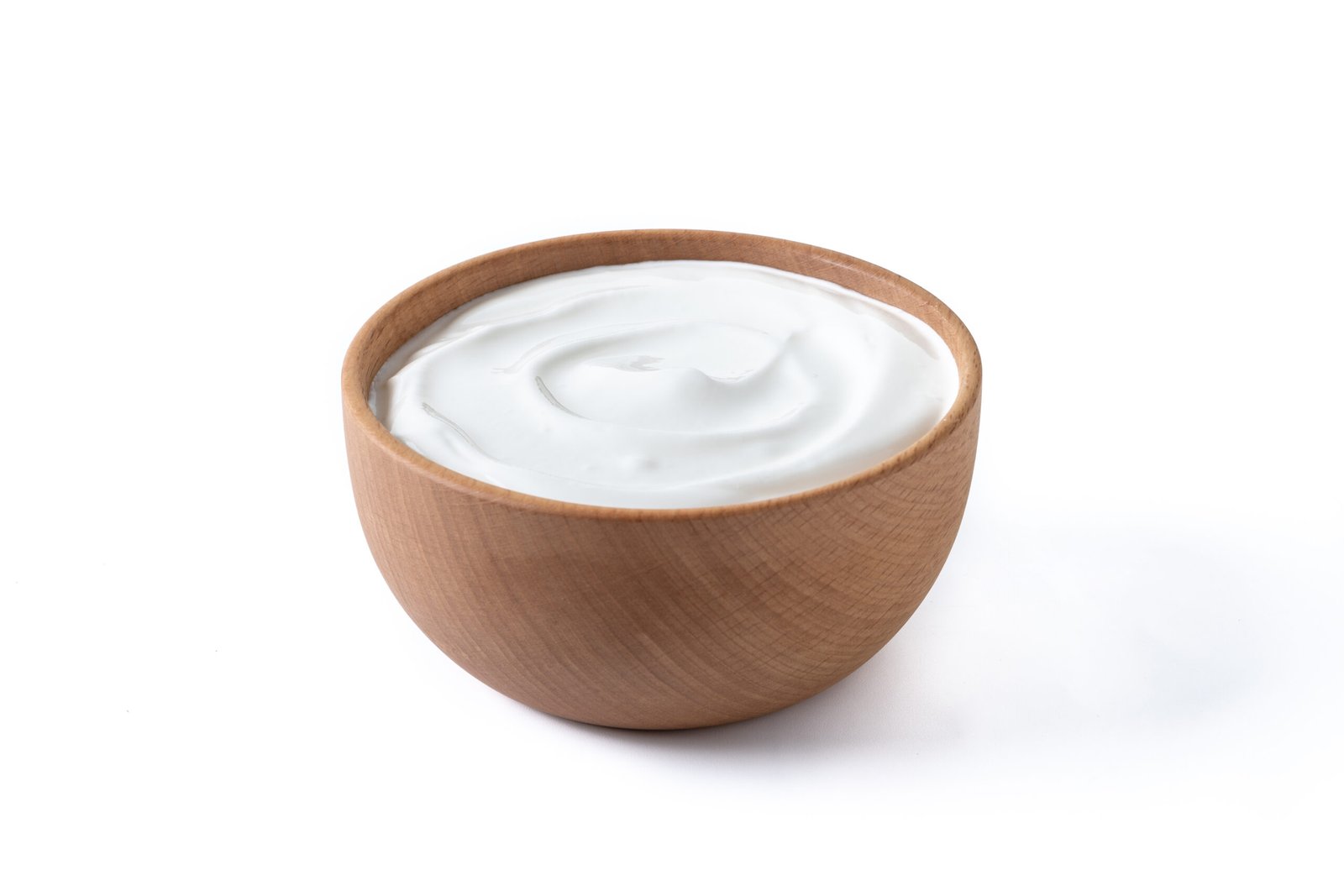
. Do you know how you should eat yogurt? If not, let me tell you: you have to eat yogurt as it is. If you do not like yogurt alone, then eat it with fruits, cereals, or any vegetable.
If you know how to make curd at home, make it at home itself, which will be most beneficial. Curd has many benefits, but if you want to keep your intestines healthy and avoid diseases related to digestion and constipation, then start eating curd from today.
2) Kefir:
Kefir looks like yogurt or arugula, but it is a fermented milk drink rich in probiotics. Considered best for digestion, kefir is sourer and tarter than yogurt.
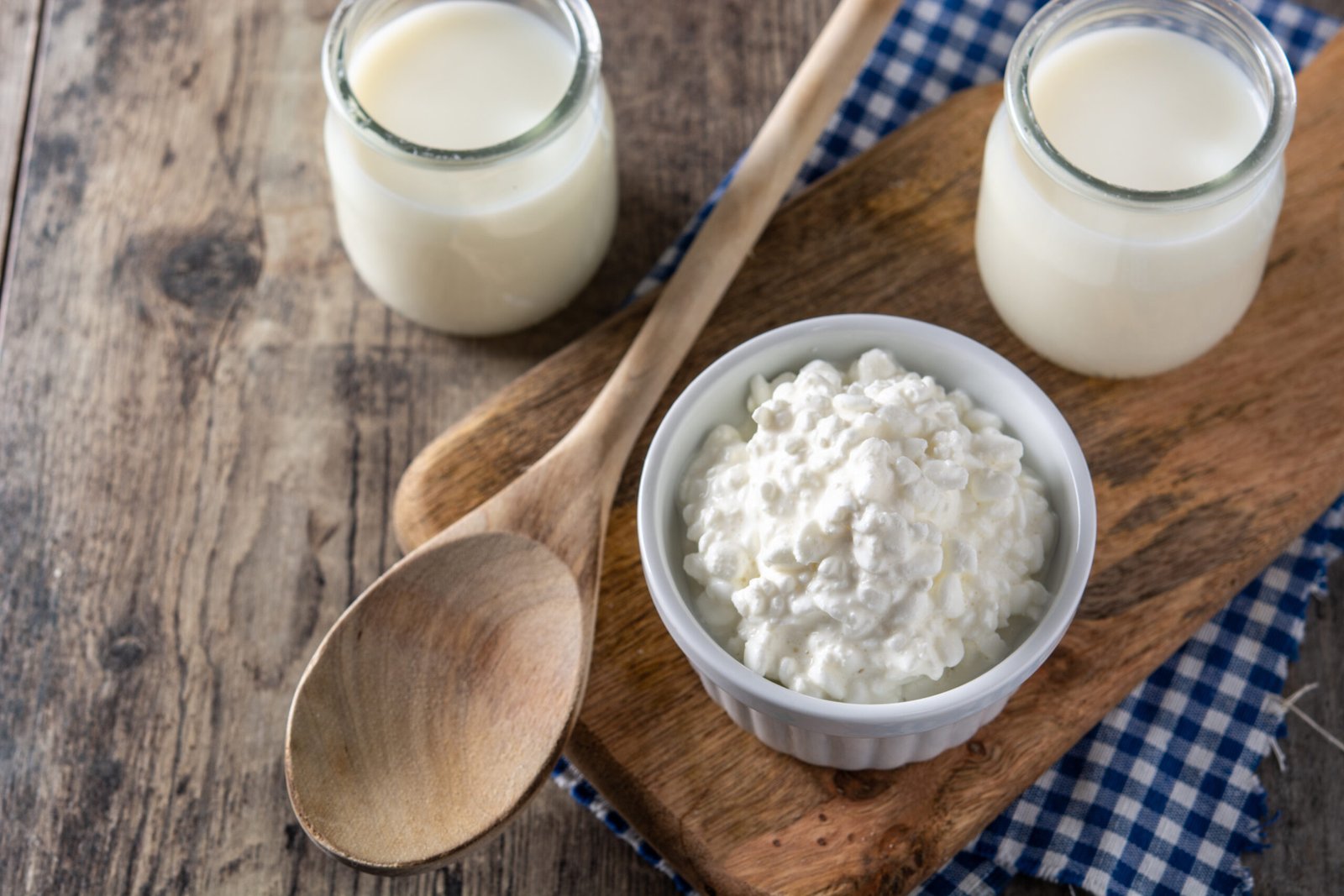
Kefir is also famous for bone health because it contains vitamin K2, protein, and calcium. You can drink kefir on its own, or if you prefer, you can drink it with meals, smoothies, or salads.
3) Sauerkraut:
Sauerkraut is sour cabbage rich in fibre, and vitamins C and K. Sauerkraut, considered the best source of probiotics, is traditional German food made by fermenting cabbage in a mixture of salt and water, which is considered best for digestion.
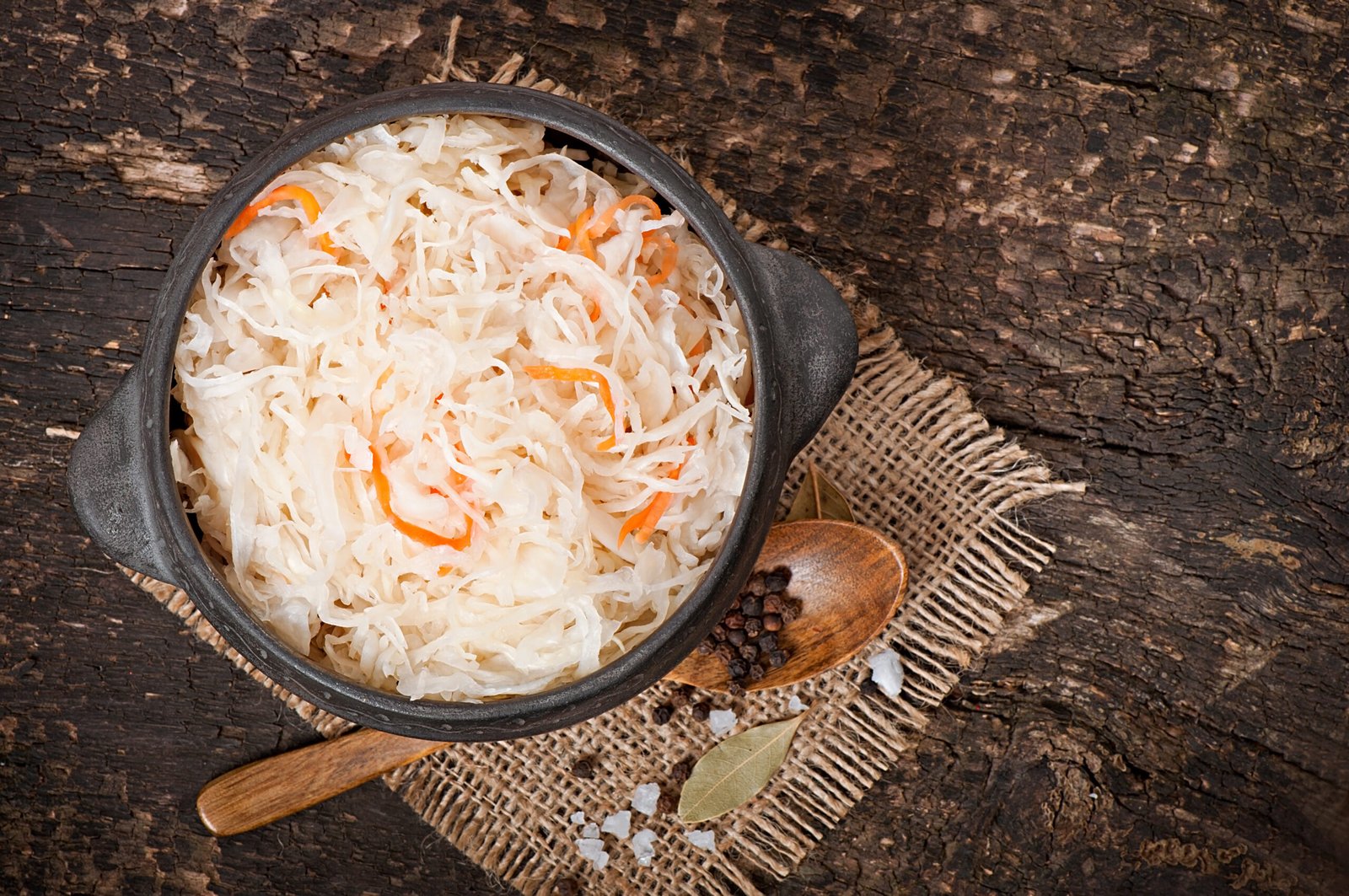
It would be best to choose unpasteurized, refrigerated sauerkraut because pasteurization destroys the probiotics present in it.
4) Kimchi:
Made from fermented vegetables, kimchi is a Korean delicacy. Rich in probiotics and antioxidants, spicy kimchi is made by fermenting vegetables like cabbage and radish with ginger, chili, and garlic. It is tasty and beneficial.
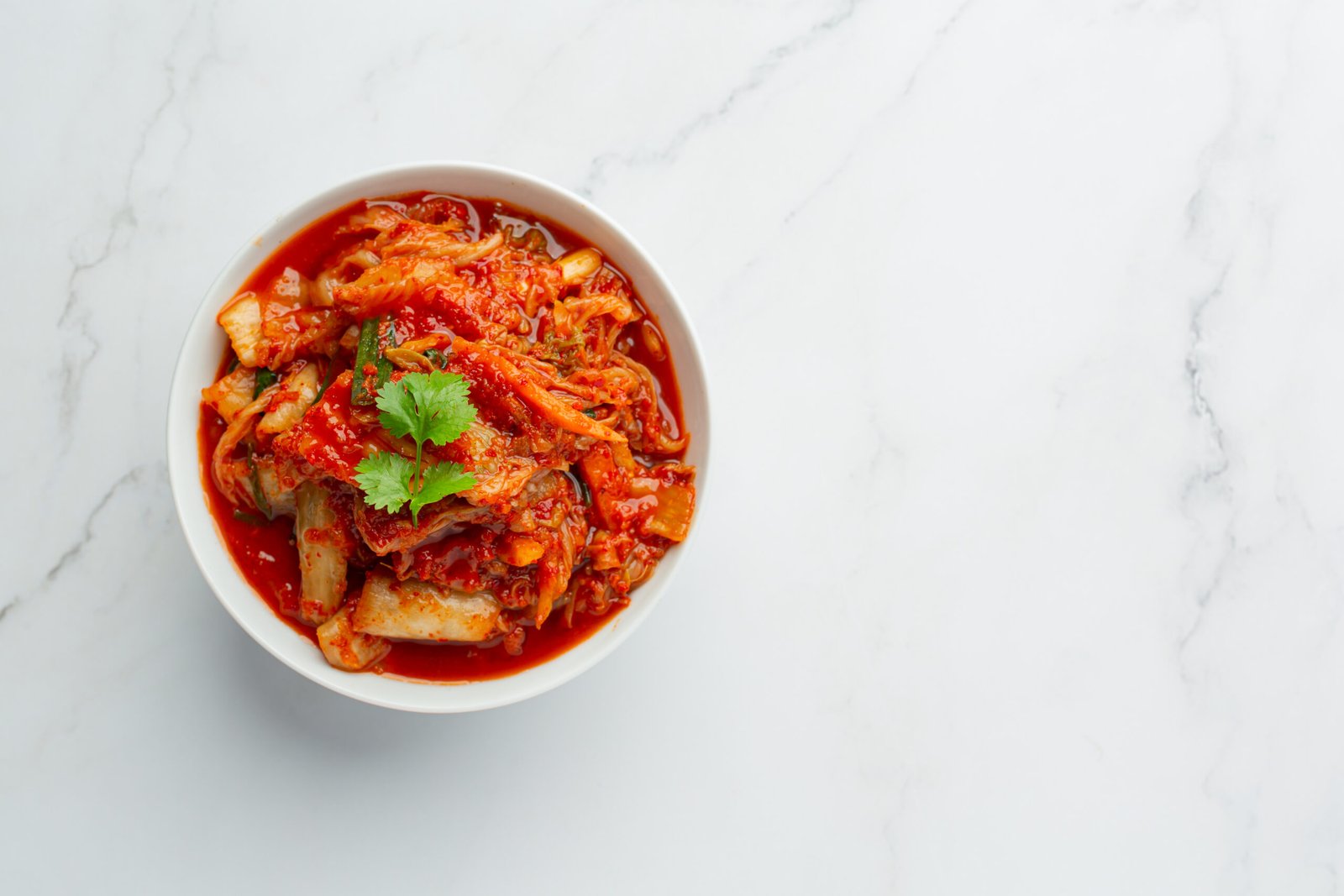
Along with improving digestion and increasing immunity, kimchi also helps reduce body weight. Most people eat kimchi with salad. Some add kimchi to a pan to make rice tempering.
5) Kombucha:
Rich in probiotics and organic, kombucha is a fermented and slightly alcoholic sweet tea. Some people also call it “tea mushroom,” “tea fungus,” or “Manchurian mushroom.”
Kombucha is used as a beverage because it is considered beneficial for health. It also has some bubbling.

You can add fruit juice, spices, or other Flavors to kombucha to enhance the taste.
Kombucha helps maintain sugar levels, reduces cholesterol, and reduces body weight. If you are suffering from fatty liver, kombucha is very helpful.
6) Miso:
Considered to be the best for digestive health, miso is a traditional Japanese paste made from fermented soybeans, salt, and other ingredients. Did you know that miso contains Aspergillus oryzae, which is a probiotic?
There are many types of miso, such as white miso, red miso, and dark miso.
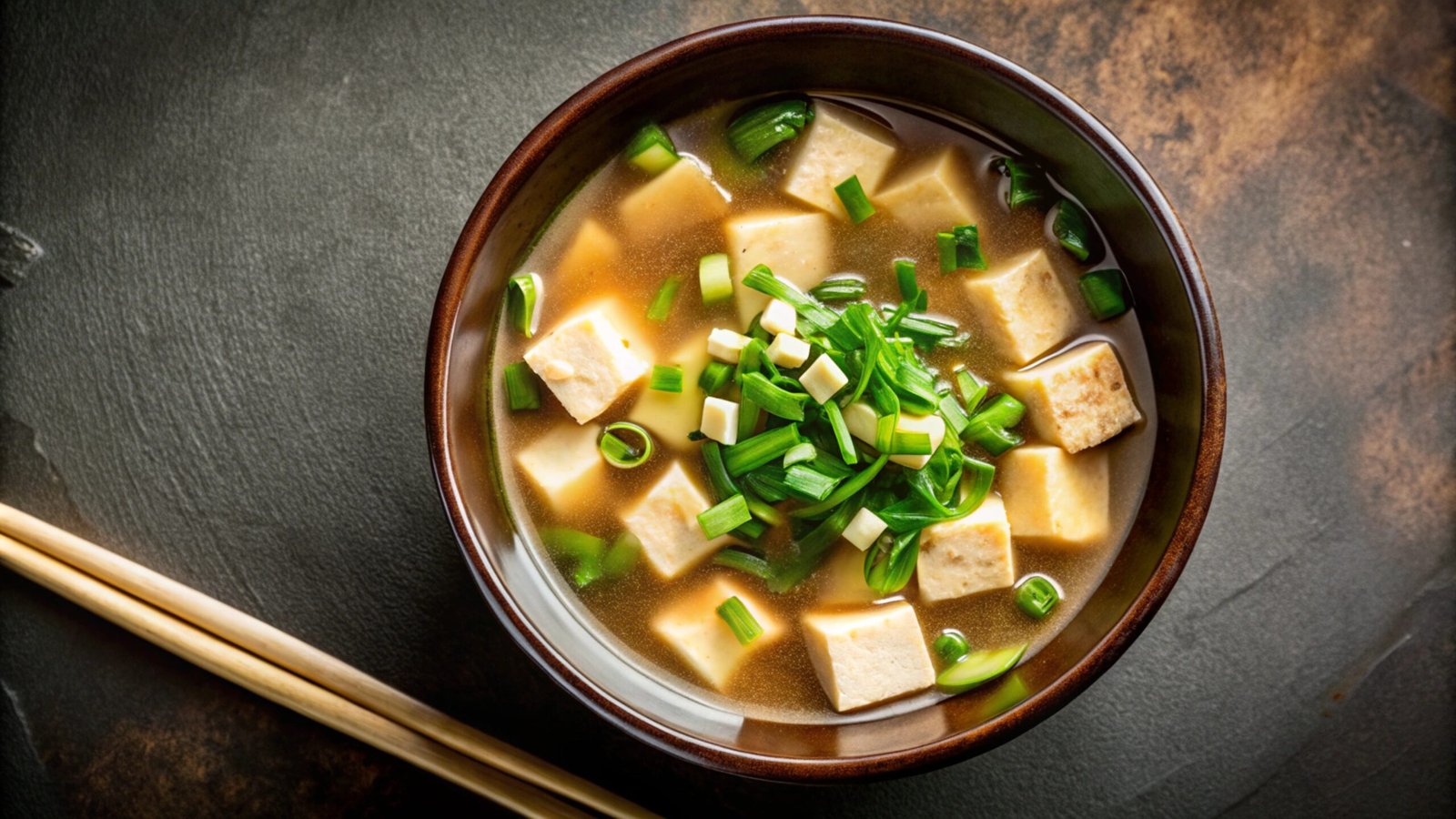
. You can use miso to reduce liver inflammation by making miso soup, miso sauce, miso paste, and other dishes.
7) Tempeh:
Tempeh, eaten all over the world, is most popular in Indonesia. Made from fermented soybeans, tempeh is a vegetarian protein. It is considered one of the most nutritious products for humans.

It looks like cheese, but its texture is slightly different. Tempeh has a nutty taste. The fibre in it is good for digestion.
Tempeh, a great source of protein for vegetarians, can be eaten baked or fried. You can also eat tempeh by adding it to a curry.
8) Pickles (fermented in brine):
Fermented pickles, rich in probiotics, are a naturally spicy and crispy dish.
Make sure they are not vinegar-based. Pickles are fermented in brine with fruits or vegetables such as cucumbers, onions, or carrots.
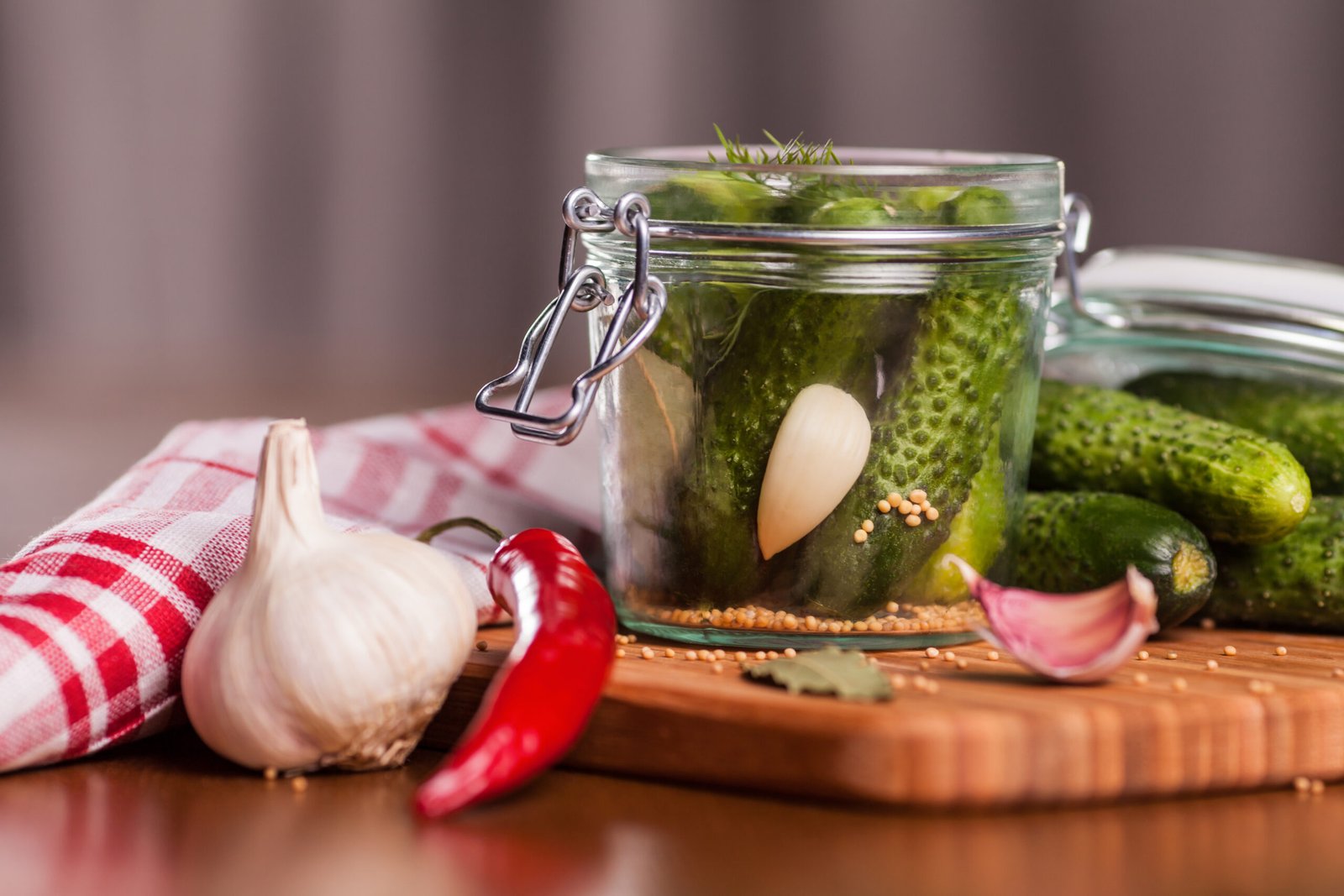
In this process, food is fermented with salt, allowing the growth of lactic acid bacteria, which preserves the food and enhances its taste. Lactic acid is beneficial for gut health.
Other fermented foods for gut health, like miso and tempeh, are rich in probiotics and support healthy digestion.You can eat these pickles with sandwiches, soups, salads, or other dishes.
Now that you know the top fermented foods for gut health, let’s see how you can easily include them in your daily meals for better digestion and overall wellness.
How to incorporate fermented foods into your diet?
- Start gradually so your digestive system can adjust to fermented foods.
- Eat fermented foods with your regular meals, like adding miso to soup or sauerkraut to a sandwich.
- Eat a variety of foods to get a taste of different types of probiotics.
- To get the benefits of living cultures, eat high-quality, unpasteurized foods.
If you are also trying to improve your overall lifestyle habits, you may find useful guidance in 8 Daily Habits That Change Your Life.
This important information is especially for you:
Although fermented foods are considered the safest for most people, it is true that fermented foods are most beneficial for our gut health.
However, if you suffer from histamine intolerance or any digestive disorder, you must consult your dietitian or doctor before including fermented foods in your diet.
If you have a weak immune system, you should not make major changes to your diet immediately without consulting your healthcare provider or doctor.
Still, adding fermented foods for gut health to your diet under expert guidance can naturally improve digestion, strengthen immunity, and support a healthier lifestyle.
For more information on probiotics and digestion, you can check out WebMD’s guide on probiotics”