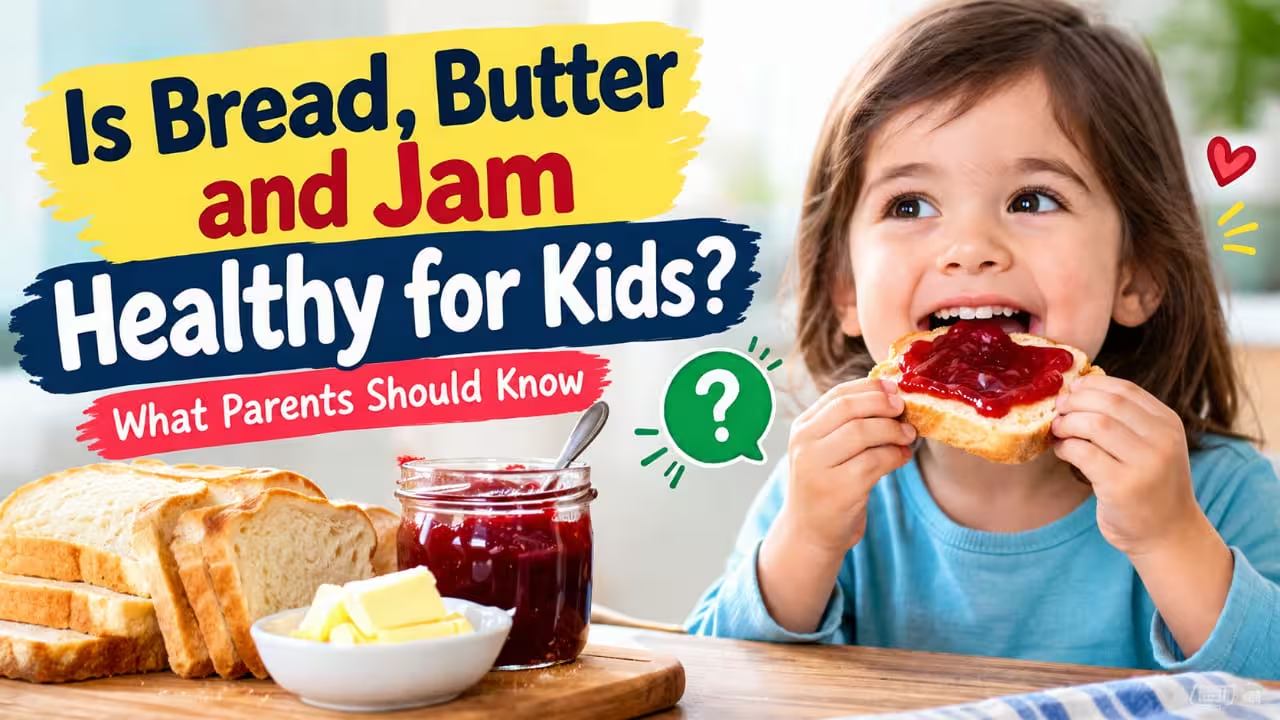
Does your child eat bread, butter, and jam every day—either at school or at home? If so, be cautious.
Many parents ask: is bread butter jam healthy for kids, and should children be eating bread, butter, and jam?
After all, why do most schools serve bread, butter, and jam as a breakfast or snack option?
How can bread, butter, and jam harm children’s health? Why, as parents, should you avoid feeding this combination to your children?
This is a topic that many parents and school principals may not yet be aware of, so please read this carefully.
👉 The healthy habits children develop early in life can stay with them as they grow, just as the 8 DAILY HABITS THAT CHANGE YOUR LIFE can help us make better choices every day.
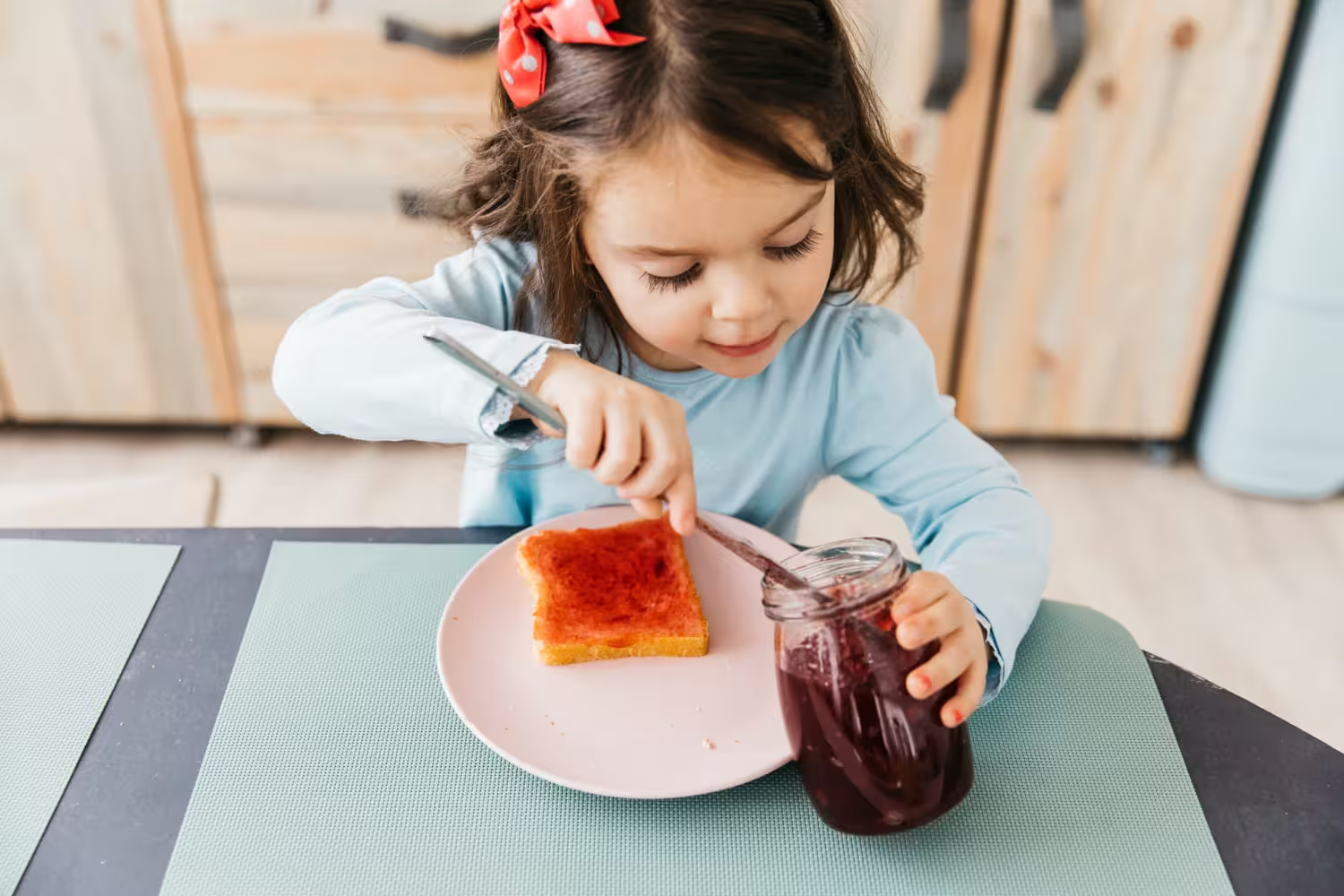
1) Why exactly are bread, butter, and jam served to children at school?
- Serving bread, butter, and jam requires no preparation, making it easy to serve to children.
- Purchasing bread, butter, and jam is cheaper for schools compared to other breakfast options.
- It takes very little time to serve bread, butter, and jam to the children.
- I also think that serving this combination means fewer dirty dishes since it only requires spreading butter on the bread with a knife, so there are no multiple utensils, which is convenient for the school.
- It is one of the favourites of most children, and schools exploit this and serve it. The children eat happily and fill their stomachs.
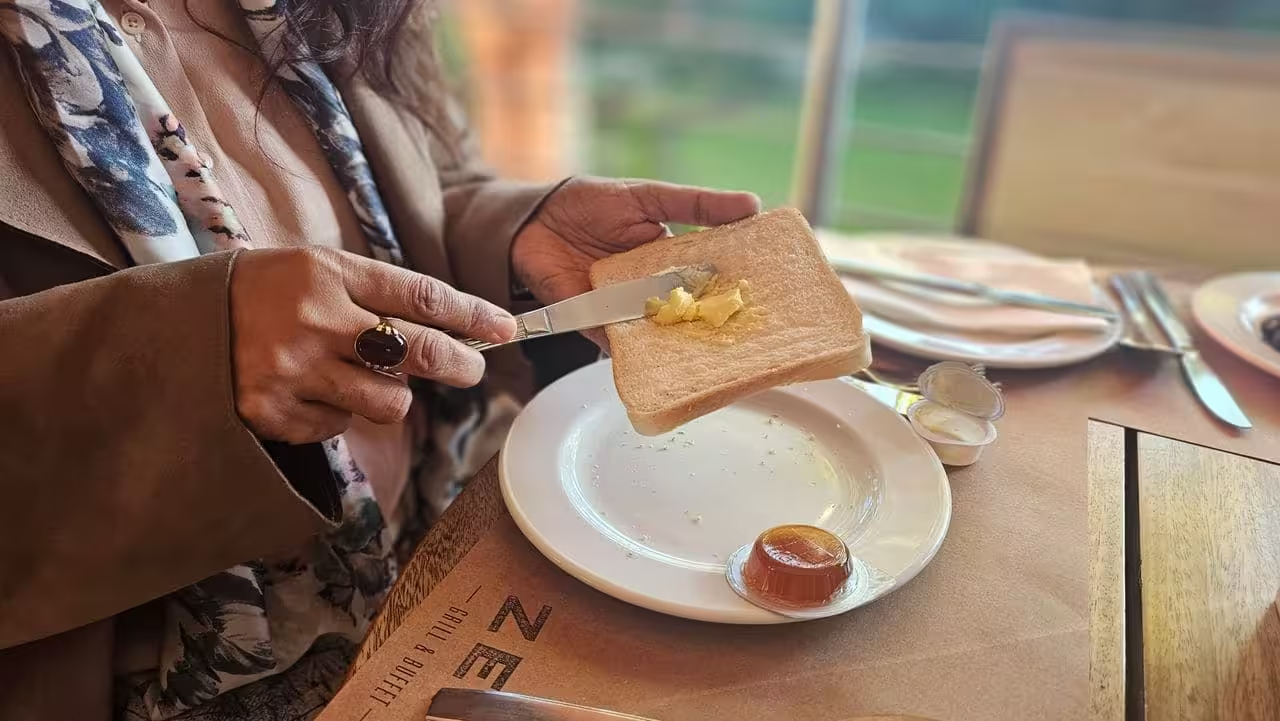
2) What Are the Harmful Effects of Children Eating Bread and Butter?
If your children eat bread and butter every day—whether at school or at home—it is not good for them or for you. Therefore, please pay close attention to the points mentioned below:
- Most children prefer eating white bread (made from refined flour/Maida) at school or at home. Did you know that this white bread is very low in fiber? If children consume white bread daily, they may face issues like stomach aches. Eating white bread can also lead to constipation in many children.
👉 Good digestion is important for children, and TOP 8 FERMENTED FOODS FOR GUT HEALTH AND BETTER DIGESTION explains some foods that may help support a healthy digestive system.
Source: According to the American Academy of Paediatrics (AAP), children need adequate dietary fiber from whole foods for healthy digestion, and low-fiber diets made of refined grains directly increase the risk of childhood constipation.
- We are all well aware that commercially available butter is not healthy. In many countries, artificial or imitation butter is produced; if given to children, it can expose them to serious health risks.
Source: The World Health Organization (WHO) strongly recommends the total elimination of industrially produced trans-fatty acids from children’s diets due to their link to systemic inflammation and cardiovascular harm.
- Did you know that commercial butter is processed and contains very high levels of salt? Understanding the effects of processed butter on children is essential, as feeding children this type of butter daily can put a strain on their kidneys, which is a cause for concern.
Source: The Centers for Disease Control and Prevention (CDC) warns that processed grains and salted dairy spreads are hidden sources of excess sodium, advising parents to strictly limit sodium intake in infants and young toddlers.

- If your child eats bread and butter every day, where will they get essential vitamins, minerals, and protein? Bread and butter primarily increase calorie and fat intake. If a child subsists on bread and butter for months, they may face nutritional deficiencies.
Source: Indian Academy of Paediatrics (IAP) guidelines emphasize that complementary and early childhood meals must be nutrient-dense, warning that high-calorie, low-protein diets lead to hidden micronutrient deficiencies.
- According to surveys, daily consumption of bread and butter leads to weight gain. Consequently, children may feel lethargic throughout the day and lose interest in activities or playing.
In my opinion, you should check the school’s meal schedule. If bread, butter, and jam are served daily or even two to three times a week, you should immediately raise the issue with the school principal.
If your child is eating bread, butter, and jam at home every day, stop serving these foods immediately; otherwise, they could face various health-related issues in the future.
Source: Research hosted by the National Institutes of Health (NIH) demonstrates that refined high-glycemic breakfasts impair cognitive performance, reduce attention span, and decrease physical activity levels in preschool and primary school children compared to balanced whole-grain breakfasts (NIH PubMed Study on Carbohydrates & Cognition).
If you do wish to give your child bread and butter, please read the information below carefully to learn the right way to do so.
3) How to Serve Bread, Butter, and Jam to Children
By now, you likely understand that children shouldn’t be given bread, butter, and jam every day. However, if your child insists on having it, or if you wish to serve it occasionally, here is my perspective on the best way to do so—please read it carefully.
- Never give children white bread; opt for multigrain bread instead. In my opinion, 100% whole-wheat bread is also a great choice for your children.
- If you are serving this at home, use homemade white butter. If you buy butter from a store, ensure it is low in salt. Some brands produce butter with very high salt content, so always check the salt content listed on the packaging before purchasing.

- Do you know how to make jam from fresh fruit? If not, learn how via YouTube tutorials—after all, your child’s health is at stake. I cannot recommend store-bought jam, as there is no way to be certain of its quality. Alternatively, you could serve fruit spreads with the bread and butter.
- Never serve bread, butter, and jam in isolation; always pair them with milk. You could also include an egg. Some parents add a slice of paneer (cottage cheese) to ensure the child gets some protein along with the meal.
- Ensure your child sits comfortably in one place while eating this breakfast, whether at school or at home. Never let them eat while running around or playing. I would also advise against letting them eat while watching TV or using a mobile phone.
- In my opinion, when a child is having bread, butter, and jam for breakfast, you should definitely provide water so they can take a sip and easily swallow each bite. Often, if they don’t drink water, pieces of the bread, butter, and jam can stick in their throat, causing them to gag or start coughing.
👉 Children can develop unhealthy screen habits when they use mobile phones during meals, so parents should also understand the disadvantages of mobile phones.
My Perspective: Building Healthy Eating Habits in Children
- From my perspective, we should cultivate a habit in children of eating foods that make them strong and help support a healthy immune system.
- Children often learn by observing others; therefore, whenever you sit down for breakfast or dinner, have your children join you so they can learn to eat a variety of foods by watching you.
- If your child is served bread, butter, and jam at school every day, you should speak to the school principal or pack a homemade lunch for them to take to school.
- If you notice your child experiencing physical fatigue regularly, please first verify what they are being fed at school. Sometimes, unhealthy food can contribute to physical and mental exhaustion in children.
- As a parent, you must pay close attention to your child’s diet, as there is no guarantee that all street food sold outside is healthy.

From my perspective, helping children develop healthy eating habits from an early age is one of the best things parents can do for their long-term well-being.
Do let us know in the comments what kind of food is served to your children at school.
Disclaimer: The nutritional and dietary information provided in this article is intended strictly for educational and informational purposes. It does not constitute professional medical advice, diagnosis, or treatment. Always consult a qualified pediatrician or healthcare provider before making major changes to your child’s daily diet.