
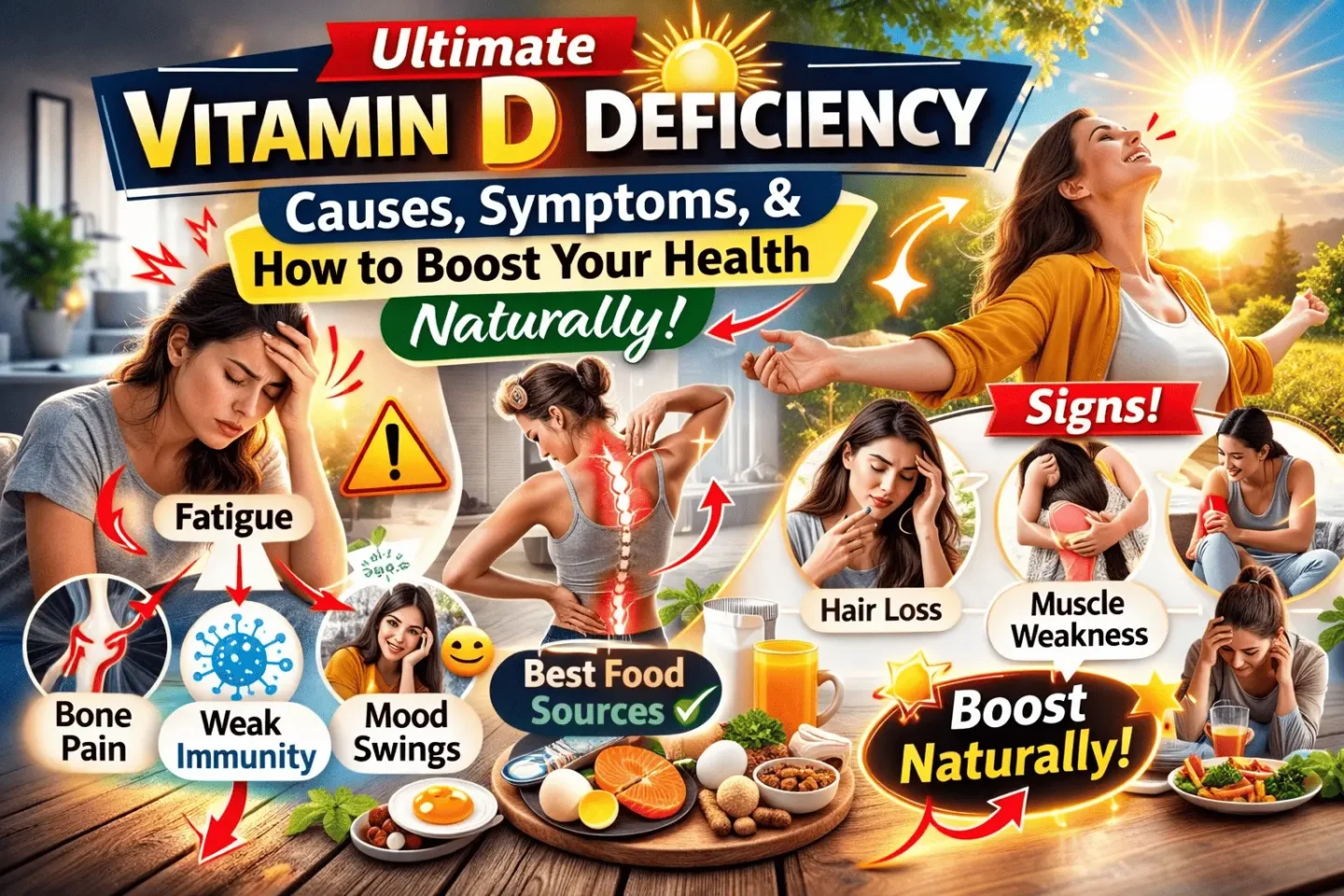
Vitamin D deficiency has become a silent global issue today. How much time do you spend in the sun every day? If this question were asked to everyone in the world, their answer would probably be, “Very little, or perhaps none at all.”
Some might even ask, “What benefit do we get from spending time in the sun?” Others might think that spending time in the sun is a waste of time.
Yes, I know—we’ve all become accustomed to living in such conditions that we can’t even stand in the sun for a short while, am I right?
Have you ever felt like your body is gradually weakening? I mean, a person who was considered old after 60 in the past is now considered old at just 40.
👉 Constantly feeling exhausted even after getting enough rest? Discover the hidden reasons in: Why Am I Always Tired? 6 Hidden Reasons You Feel Exhausted
The main reason for everything—from heart attacks at 40 to extreme fatigue while walking—is the lack of essential nutrients in our bodies.
We’re so busy with our hectic lives that we don’t even realize our bodies are gradually becoming deficient in vital nutrients.
Vitamin D is one of the most essential nutrients for maintaining a healthy body.

Did you know that we get vitamin D from sunlight, one of the best natural sources of vitamin D? And sunlight, unlike most things, doesn’t need to be purchased—it’s freely and abundantly available on Earth.
That’s one of the biggest benefits of sunlight you should never ignore.
You might be surprised to learn that low vitamin D levels have become a global problem.
If you don’t know, let me tell you that vitamin D plays a crucial role in strengthening our bones and acts as a powerful immune system booster.
It also helps improve your mood, which means that if you’re deficient in vitamin D, your mood may also suffer.
Some of the most common signs of low vitamin D include fatigue, bone pain, muscle weakness, and frequent illnesses.
Approximately 1 billion people—from the United States and Britain to India, Japan, and Australia—suffer from low vitamin D levels.
What are the main causes of low vitamin D levels worldwide? Are you also suffering from it? How do you know if you have a vitamin D deficiency, and if so, how can you address it?
Let me briefly explain all of this so you don’t have to face any problems caused by a lack of vitamin D in your life, and so you understand how to get vitamin D naturally through sunlight and food sources.
Why is Vitamin D Deficiency a Global Problem?
If you think vitamin D deficiency only affects people in countries with limited sunlight, you’re completely wrong.
This global health problem isn’t limited to a specific country or climate; it’s also common in countries with the highest levels of sunlight exposure.
Vitamin D deficiency in people living in sunny areas is due to modern lifestyles and environmental changes.
Let me explain some of the main causes of low vitamin D levels that lead to serious health symptoms.
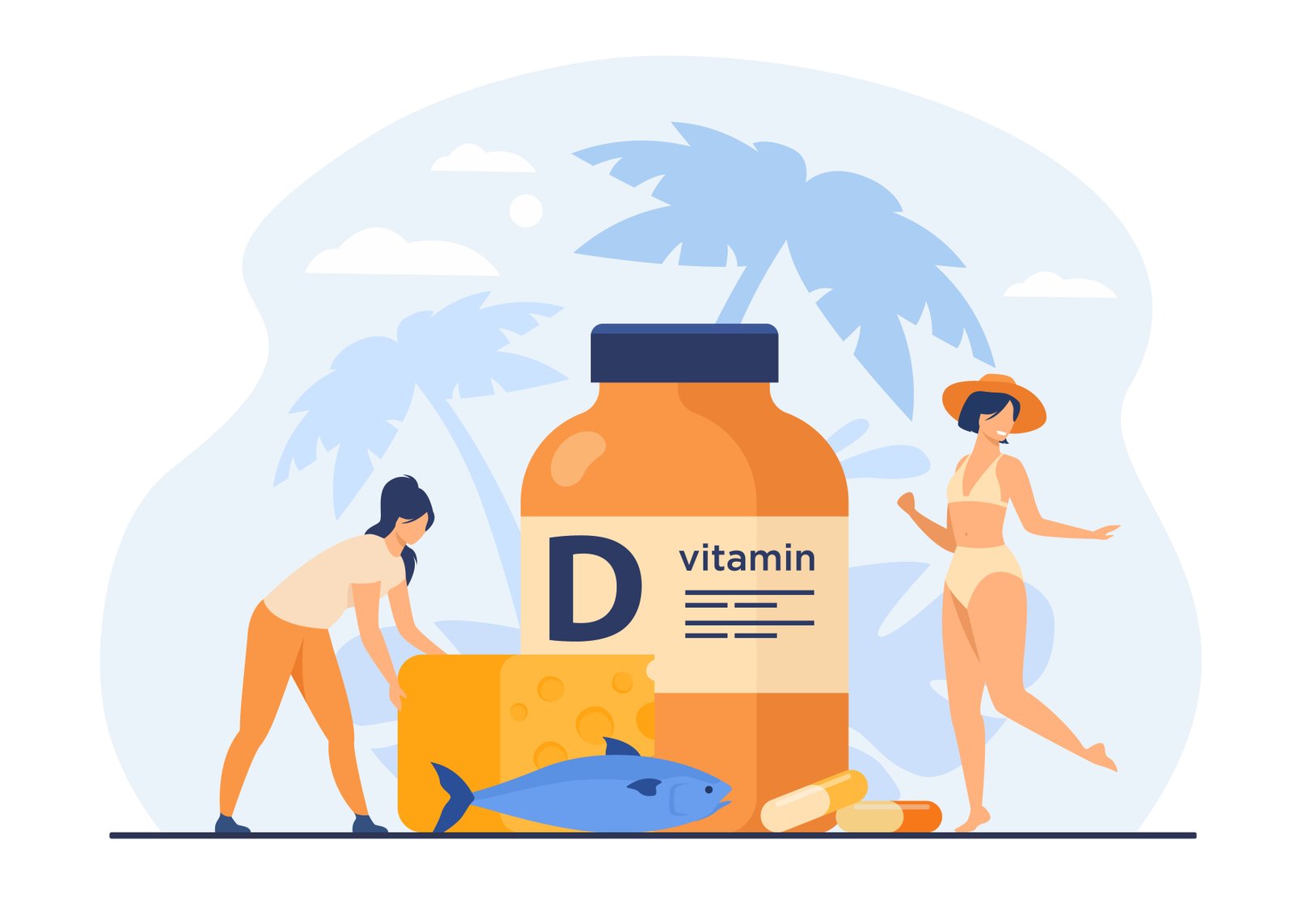
1) Limited Sunlight Exposure:
To avoid vitamin D deficiency, people should get morning sunlight, which is one of the best natural sources of vitamin D.
However, nowadays, people spend less time in sunlight and more time in enclosed spaces, such as working long hours in air-conditioned rooms or spending long hours indoors watching mobile phones or television during holidays.
Even if a person needs to go to a store outside their home, they take a car even though they could easily walk to it. Now, where will such people get sunlight, the main natural source of vitamin D for the body?
2) Use of Sunscreen and Covered Clothing:
Some people cover their entire body with clothing to prevent sunlight from reaching them, which leads to low vitamin D levels.
How can they get vitamin D naturally? Some people want to protect their skin, so they apply sunscreen to protect their skin from UV rays, which are responsible for vitamin D synthesis.
However, they are unaware that sunscreen also blocks UVB rays, which are essential for vitamin D production in the skin and can result in vitamin D deficiency-related health problems.
3) Dietary Deficiency:
Did you know that vitamin D can also be obtained from foods like eggs, fish, and fortified dairy products? Many people around the world avoid this type of diet, such as vegetarians, leading to one of the most common vitamin D deficiency causes.
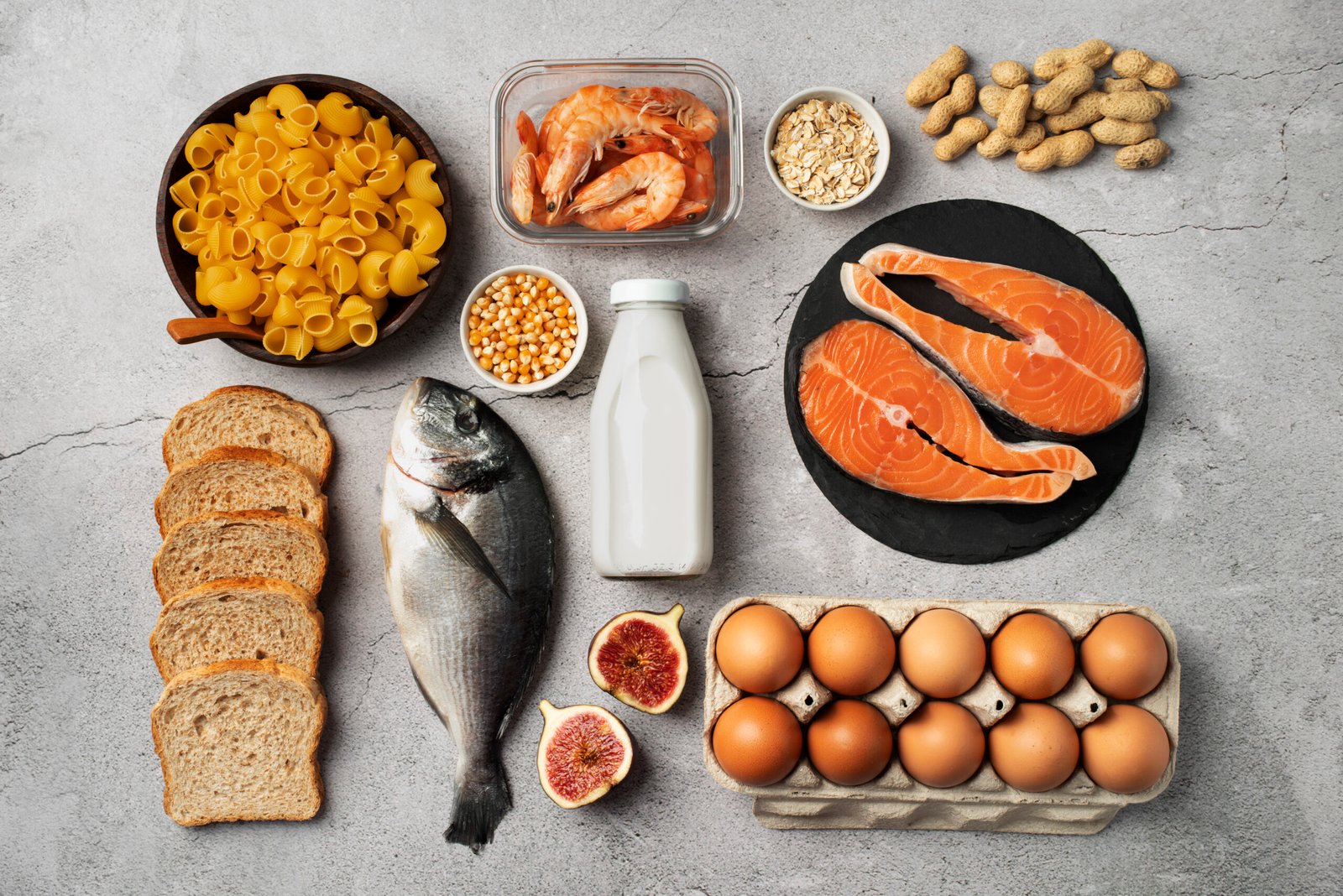
If you choose to eat only vegetarian food all your life, there’s no doubt that you may develop low vitamin D levels due to lack of dietary sources.
4) Air Pollution and Latitude:
People living in some northern countries, such as Canada, the UK, or Scandinavia, receive fewer UVB rays from sunlight exposure, which can lead to a vitamin D deficiency.
There are also many highly polluted countries where air pollution blocks sunlight, preventing the skin from producing enough vitamin D.
People living in these countries also face difficulty producing vitamin D due to low UVB exposure, resulting in a significant vitamin D deficiency.
👉 Feeling emotionally drained despite having a good life? You may relate to: Why Do I Feel Empty Even When Everything Is Fine?
Common symptoms of this deficiency
Vitamin D deficiency may not be immediately apparent because it’s a quietly developing health issue.
The early symptoms of vitamin D deficiency become noticeable only when your body begins to experience significant declines.
Every illness gives us some warning signs before it becomes serious. So, let me share some early warning signs of vitamin D deficiency that appear before the condition becomes severe.
Read carefully and see if you’re experiencing these signals from your body. If you are, get your vitamin D levels checked immediately.

- When you constantly feel tired or fatigued at a young age or feel like you don’t have the same energy levels as before, you should be alert — this is one of the most common warning signs of low vitamin D
- Do you frequently suffer from colds, coughs, or infections? If so, understand that your immune system is gradually weakening, and low vitamin D levels could be the main cause of your low immunity.
- Does your body ache every day, as if it’s breaking down? If so, consider that your muscles may be weakening due to a lack of vitamin D. Muscle pain and weakness are among the most overlooked symptoms of vitamin D deficiency.
- Do your bones ache every day for no apparent reason? If so, you should understand that a lack of vitamin D is probably the culprit. Weak bones, joint pain, and a higher risk of fractures are clear signs that your body needs more vitamin D.
- Vitamin D deficiency also has a major impact on your mental health and mood. You may experience sudden mood swings, depression, anxiety, or irritability. This symptom can make a person more prone to anger and emotional imbalance.
- Is your hair falling out more than usual? Are your wounds healing slowly? If so, you may be low in vitamin D that needs to be addressed immediately to restore your overall skin and hair health.
Best Foods to Get Vitamin D Naturally (Even Without Sunlight)
To be honest, there’s no better natural source of vitamin D than sunlight, which is available to us completely free of charge.
If you’re unable to get enough sunlight for some reason, we’ll tell you about some vitamin D-rich foods that can help you improve your vitamin D levels naturally by including them in your daily diet for better bone health and immunity.

- Do you like to eat fish? If so, you should definitely eat fatty fish like sardines, tuna, salmon, and mackerel, which are not only delicious but also excellent foods high in vitamin D that help boost energy and support strong bones.
- Are you a vegetarian and hate meat and fish? Don’t worry, you can also improve your vitamin D intake by consuming fortified dairy products like milk, yogurt, and cheese, which are among the best vitamin D sources for vegetarians.
- Are you an eggetarian? If so, you should eat egg yolks to overcome your vitamin D deficiency, as they are tasty and considered one of the easiest vitamin D foods to add to your healthy diet.
- If you want, you can also increase vitamin D levels in your body by regularly consuming mushrooms grown in sunlight, cod liver oil, fortified cereals, and orange juice, all of which are great vitamin D-rich foods that help maintain strong bones, healthy skin, and a strong immune system.
How to Increase Vitamin D Naturally: Simple Daily Tips
Many people around the world who suffer from low vitamin D levels may have one question: how can they overcome it naturally? If you have this question, let me give you a brief answer on how to boost vitamin D levels effectively.
1) Spend some time in the sun every day
Spending time in the sun doesn’t mean standing in the harsh afternoon sun and falling ill the next day. Spending 15 to 20 minutes in the morning sun every day is enough to get vitamin D naturally.
Morning sun refers to sunlight that comes before 10:00 AM. In some countries where sunlight comes later, people can spend any favourable time between 10:00 AM and 12:00 PM to increase vitamin D production naturally.
2) Exercise outside
Going out in the morning sun and engaging in regular exercise, such as walking, cycling, or yoga, can help you boost vitamin D naturally.

Exercising in the sun provides two benefits: first, your body will produce vitamin D naturally, and second, exercise will keep your body healthy and strong.
3) Include vitamin D-rich foods in your diet daily
If you can’t get out into the sun every day due to a busy lifestyle, you can include vitamin D-rich foods in your diet. Foods such as eggs, fatty fish, and fortified dairy products can help maintain healthy vitamin D levels naturally.
4) Consider dietary supplements
If you don’t have time to get sunlight or include vitamin D-rich foods in your diet, taking vitamin D3 supplements is a safe and effective way to correct low vitamin D levels.

Before starting any supplement, consult your doctor to ensure it’s right for you.
👉 Small daily habits can have a huge impact on your health. Read: 8 Daily Habits That Change Your Life
Vitamin D Deficiency Risk Factors: Are You at Risk?
While everyone is at risk for vitamin D deficiency, some groups of people are more likely to be affected. Understanding vitamin D deficiency risk factors can help you maintain healthy vitamin D levels and prevent related health problems.

- People who spend most of their time indoors or at home, who don’t like to spend time in the sun, don’t enjoy eating vitamin D-rich foods, and don’t have time to take vitamin D supplements. Vitamin D deficiency is more common in these individuals.
- Elderly people are more likely to develop vitamin D deficiency in older adults, so they should make sure to get daily vitamin D by spending time in the morning sun every day.
- Women are more likely to develop vitamin D deficiency after menopause, which can affect bone health.
- Vegetarians who don’t spend time in the sun are more likely to suffer from vitamin D deficiency, because they don’t eat fish, which is naturally rich in vitamin D.
- Vitamin D deficiency is also common in people living in northern latitudes or in countries with high air pollution, where sunlight exposure is limited.
- People who are obese or suffering from other serious diseases are more likely to be deficient in vitamin D, so such individuals should get regular vitamin D blood tests done.
- People with dark skin, whose UV absorption is naturally lower, are more likely to be deficient in vitamin D, so they should pay extra attention to vitamin D intake.
Why is Vitamin D Important for Overall Health?
Many people around the world may be wondering whether Vitamin D is really necessary for our health.
According to the World Health Organization (WHO), Vitamin D plays a crucial role in maintaining strong bones, supporting immunity, and promoting overall well-being.
Let me tell you: Vitamin D is absolutely essential for keeping our bodies healthy. Here’s a brief explanation of why Vitamin D is important for our health:

- Our immune system is regulated by Vitamin D. If we are deficient in Vitamin D, our immune system gradually weakens. Vitamin D deficiency can affect overall immunity.
- Vitamin D plays a vital role in the functioning of the body’s muscles and nerves, supporting muscle health and nerve function.
- Vitamin D is one of the essential nutrients responsible for keeping your heart and brain healthy and safe, contributing to heart health and brain health.
- Changes in your mood can indicate a Vitamin D deficiency. If you frequently feel depressed over small things, you should get a Vitamin D test done because Vitamin D helps balance our mental health and mood.
- Did you know that Vitamin D plays an important role in protecting us from the risk of cancer? If not, you should know this because Vitamin D helps keep the body away from the risk of cancer and autoimmune diseases.
👉 Building a healthier body starts with building a stronger mindset. Explore: The Ultimate Guide to Personal Development: Boost Your Confidence and Success



Very Nice and informative Article